Day 1: Portorosa Marina to Vulcano Island
Nautical Miles: 18
Travel Time: 3 hours
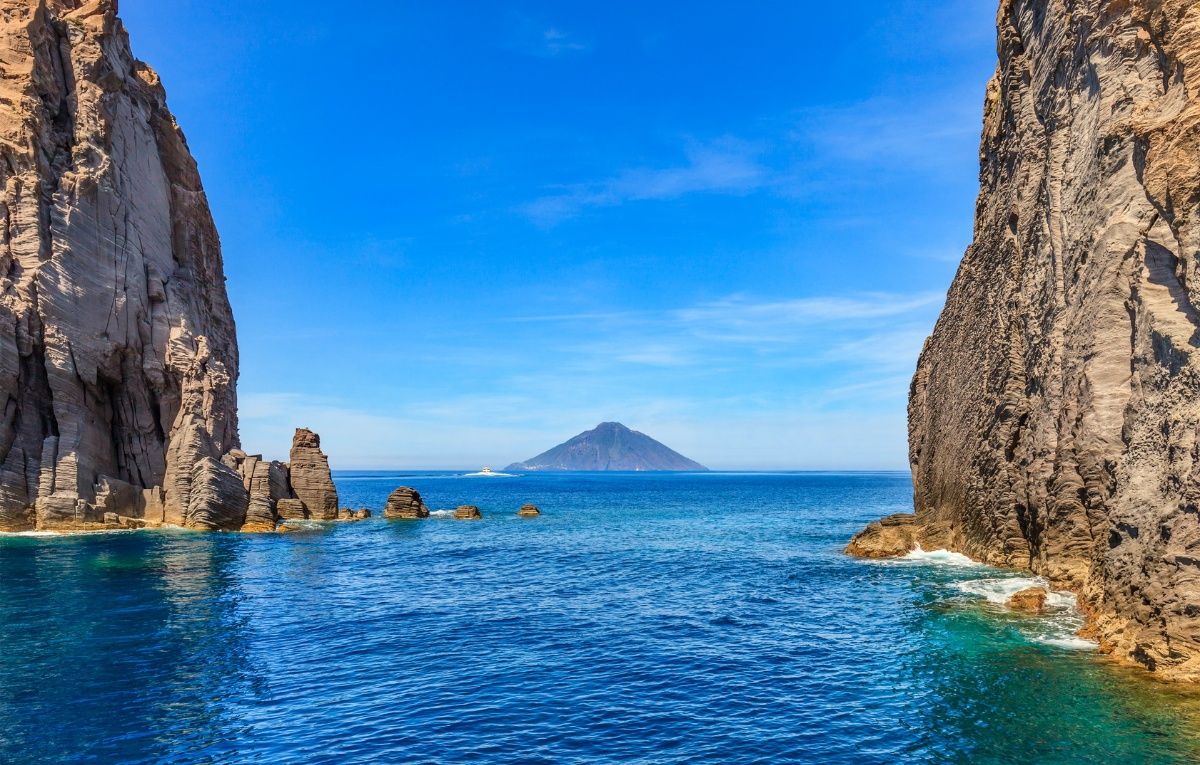
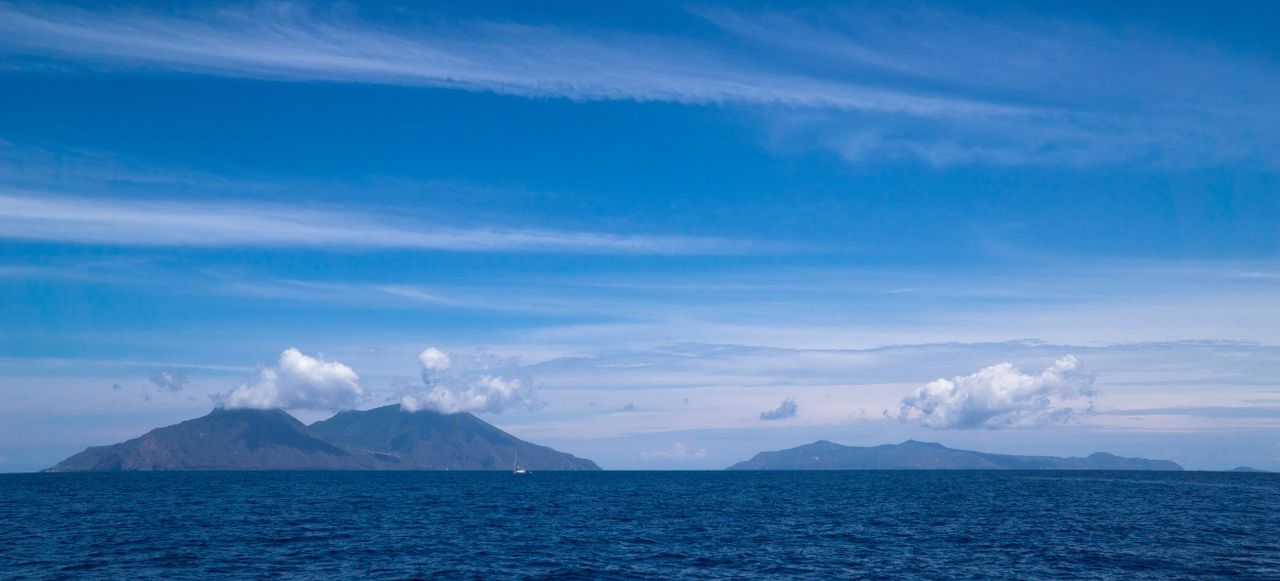
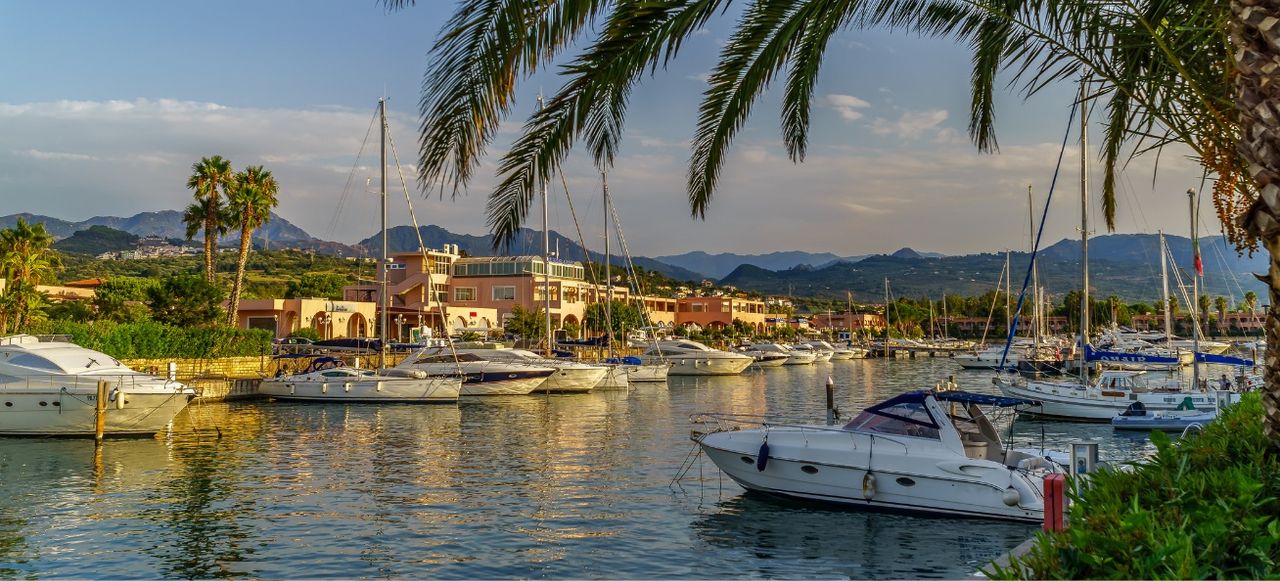
Your Aeolian adventure begins at Portorosa Marina, Sicily's premier northeastern yacht charter base positioned on the mainland coast directly opposite the volcanic archipelago. After completing check-in procedures, provisioning from the excellent facilities, and receiving comprehensive safety briefings including volcanic activity awareness, cast off and set course north across the Tyrrhenian Sea. The passage offers your first views of the dramatic Aeolian profiles emerging from the sea—Vulcano's distinctive crater, Lipari's white pumice cliffs, and in clear conditions, Stromboli's smoking cone on the distant horizon. The anticipation builds as you approach these legendary volcanic islands that have fascinated Mediterranean sailors for millennia.
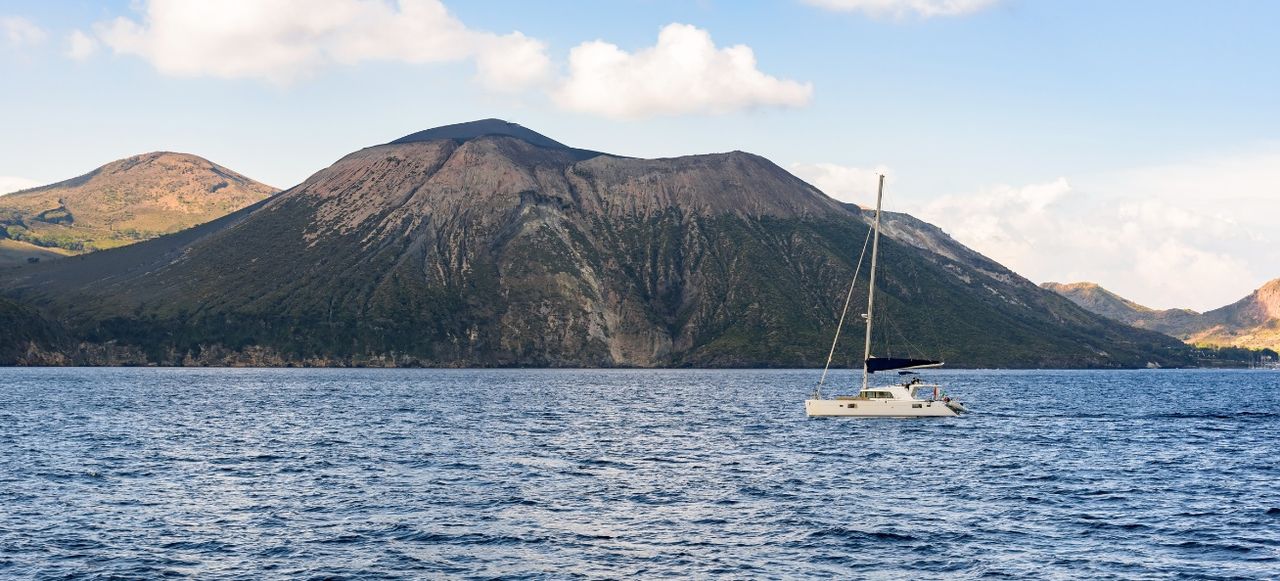
Arrive at Vulcano Island in early afternoon, where the sulfurous smell announces volcanic activity long before reaching the harbor. Navigate into Porto di Levante on the eastern shore, securing to marina berth or anchoring in the bay with good holding over black volcanic sand. Vulcano represents one of nature's most extraordinary therapeutic spas—walk inland to the famous thermal mud baths (fanghi) where warm sulfurous mud creates natural beauty treatments known since Roman times. Cover yourself in the therapeutic gray mud, allow it to dry in the sun, then rinse in the adjacent Acquacalda hot springs where geothermal waters at 30-50°C create steaming pools before plunging into the cool sea for dramatic temperature contrast. The experience is simultaneously bizarre and unforgettable. Adventurous hikers can ascend to Gran Cratere (the Great Crater) where the 391-meter climb reveals spectacular summit views and active fumaroles releasing sulfurous gases. Dine at waterfront restaurants serving fresh seafood including the local specialty—swordfish prepared with capers and olives—while watching the sunset paint Lipari's cliffs across the narrow strait.
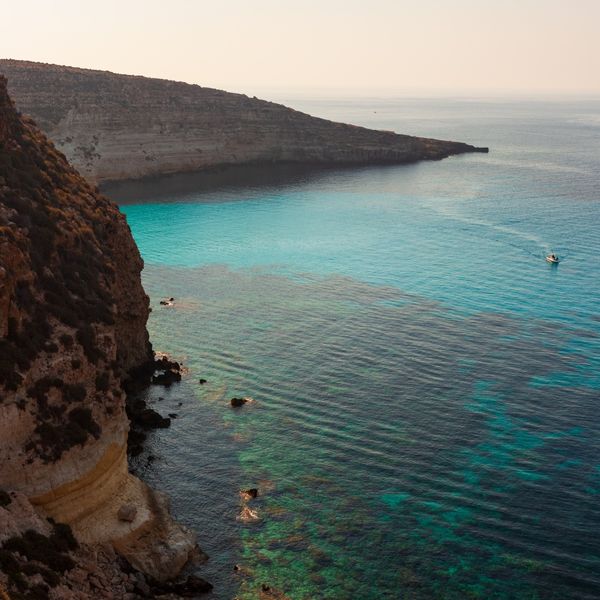
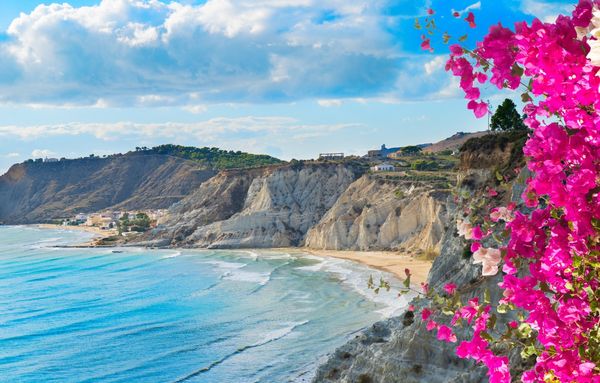
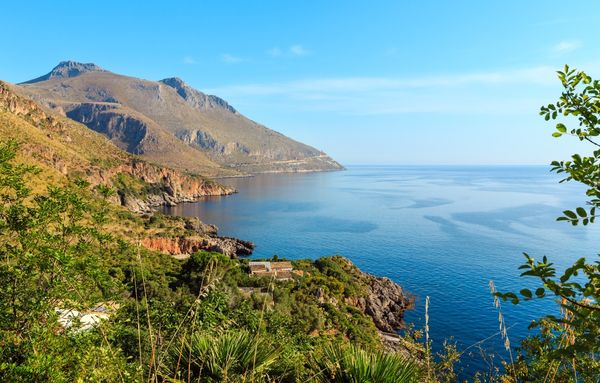
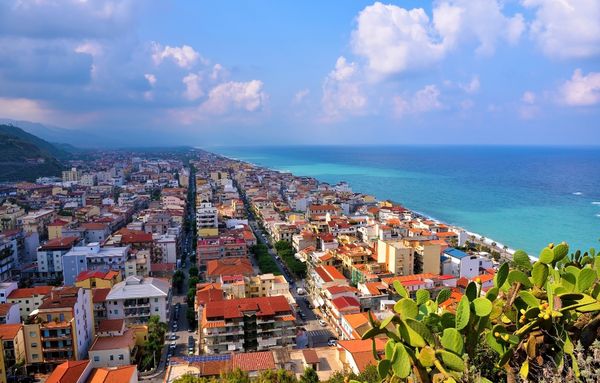
Route Highlights - Departing Portorosa Marina and sailing across the Tyrrhenian Sea toward the dramatic volcanic Aeolian archipelago.
- Swimming in Vulcano's natural thermal mud baths and hot sulfurous springs creating therapeutic volcanic spa experiences.
- Optional hiking to Gran Cratere summit where active fumaroles and panoramic views reveal volcanic power.
Day 2: Vulcano Island to Lipari Island
Nautical Miles: 3
Travel Time: 30 minutes
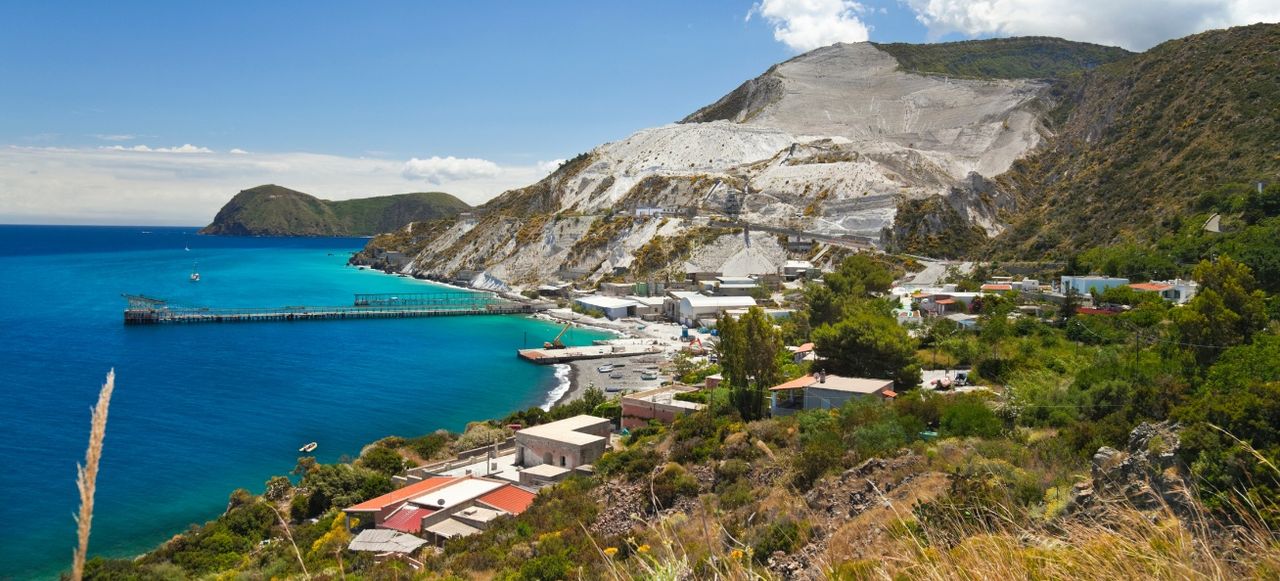
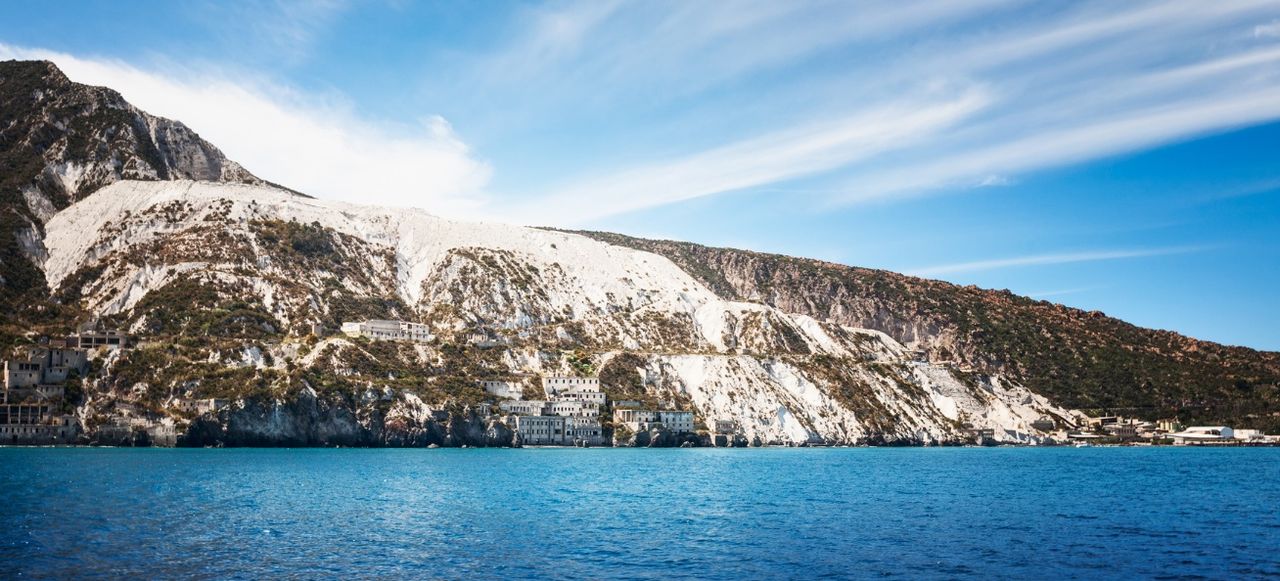
This morning offers a short passage across the narrow strait to Lipari Island—the largest and most historically significant of the Aeolian Islands, serving as the archipelago's administrative center and principal town. The brief crossing provides spectacular views of the dramatic white pumice cliffs on Lipari's northeastern coast, where centuries of volcanic pumice quarrying created distinctive landscapes now protected as geological heritage. As you approach Marina Corta or Marina Lunga harbors, the impressive citadel rising above the town creates immediate visual impact—fortifications built on Greek and Roman foundations commanding the harbor approaches.
Secure berth in one of Lipari's harbors (Marina Corta for atmospheric proximity to historic center, Marina Lunga for better protection and facilities) and spend your day exploring the archipelago's cultural capital. The magnificent Archaeological Museum housed in the citadel ranks among the Mediterranean's finest, with extraordinary collections documenting continuous inhabitation from Neolithic settlements through Greek colonization, Roman periods, and beyond—the prehistoric pottery, Greek theatrical masks, and volcanic glass obsidian tools reveal sophisticated ancient cultures. Walk the atmospheric historic center streets lined with shops, restaurants, and baroque churches, then visit the Cathedral with its Norman cloisters. The northern coast excursion reveals the spectacular pumice quarries at Cave di Pomice—brilliant white cliffs descending into turquoise water creating surreal lunar landscapes. The abandoned industrial heritage of pumice extraction creates fascinating exploration. Evening dining at sophisticated restaurants along Marina Corta waterfront offers fresh seafood, local capers (Lipari produces famous capers), Malvasia wine, and authentic Aeolian cuisine while watching yachts arriving and departing against the dramatic volcanic backdrop.
Route Highlights - Short scenic passage to Lipari revealing spectacular white pumice cliffs and the impressive citadel commanding the harbor.
- Exploring the outstanding Archaeological Museum with extraordinary collections documenting millennia of Aeolian civilization.
- Visiting the surreal lunar landscapes of abandoned pumice quarries where brilliant white cliffs meet turquoise water.
Day 3: Lipari Island to Panarea Island
Nautical Miles: 12
Travel Time: 2 hours
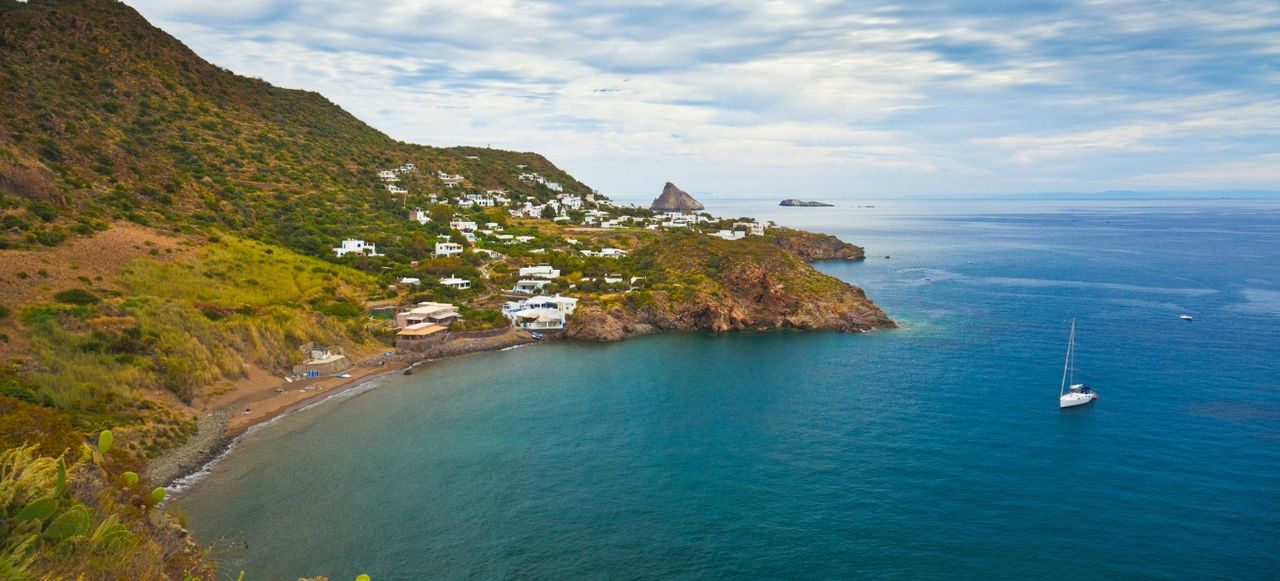
Depart Lipari and sail northeast toward Panarea, the smallest permanently inhabited Aeolian island and the archipelago's most exclusive and sophisticated destination. The passage offers spectacular views of the dramatic islands—passing close to volcanic cliffs, hidden coves, and the distinctive profiles that make each island immediately recognizable. As you approach Panarea, the cluster of surrounding islets including Basiluzzo, Dattilo, Lisca Bianca, and others creates a mini-archipelago of volcanic rocks and pillars rising from crystal-clear turquoise water—underwater volcanic activity creates bubbling hot springs visible from the surface near several islets.
Navigate carefully into Cala Junco or the main port area, where limited space and popularity mean arriving early advantageous. Panarea has evolved into the Aeolian Islands' most chic destination, attracting Italian celebrities, international jet-setters, and sophisticated travelers seeking understated luxury. The tiny car-free village features whitewashed architecture, designer boutiques, upscale restaurants, and elegant atmosphere far removed from mass tourism. Despite the sophisticated veneer, fascinating ancient heritage remains—the Bronze Age village at Capo Milazzese (14th century BCE) represents one of the Mediterranean's most important prehistoric sites, with extensive stone foundations revealing sophisticated Aegean culture. The surrounding islets offer exceptional snorkeling and diving with underwater volcanic formations, caves, rich marine life, and crystal-clear visibility. The underwater hot springs near Lisca Bianca create surreal experiences of warm volcanic water mixing with cool sea. Evening atmosphere in Panarea becomes magical—sophisticated restaurants serve creative cuisine, elegant bars attract beautiful people, and the car-free streets create intimate pedestrian ambiance. This is Mediterranean island sophistication at its finest, where natural beauty meets refined taste.
Route Highlights - Sailing through the mini-archipelago of volcanic islets surrounding Panarea with underwater hot springs visible from surface.
- Exploring the sophisticated car-free village where Italian jet-set atmosphere meets whitewashed Aeolian architecture.
- Visiting Capo Milazzese Bronze Age village with spectacular 14th-century BCE stone foundations overlooking the sea.
Day 4: Panarea Island to Stromboli Island
Nautical Miles: 11
Travel Time: 2 hours
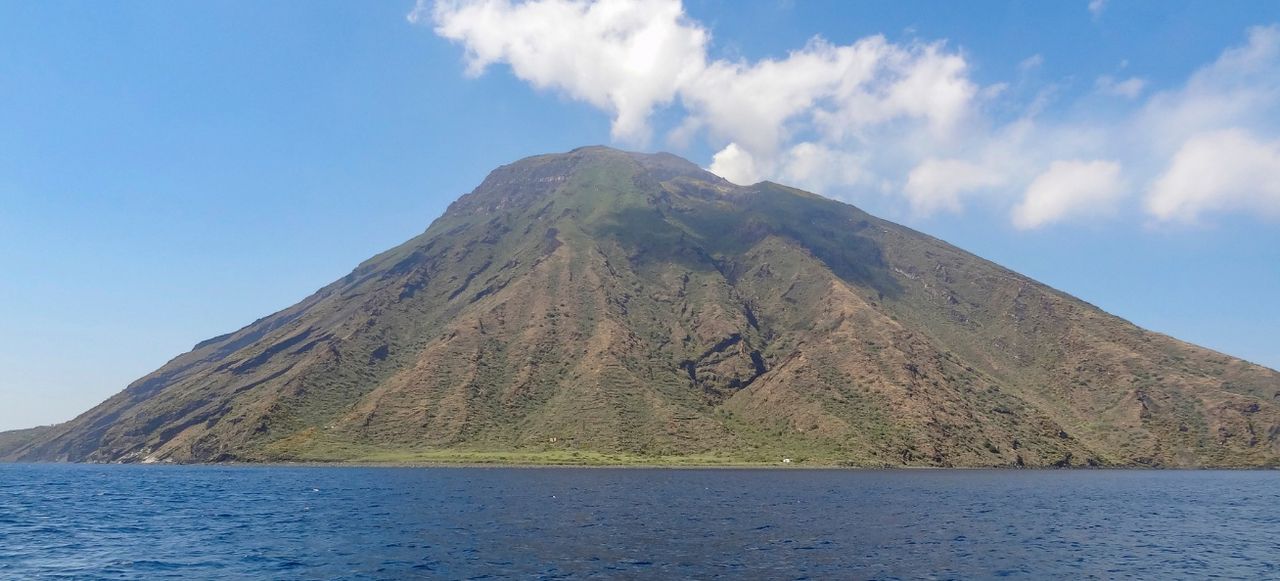
Today's passage takes you to Stromboli—arguably the Mediterranean's most dramatic and spectacular natural phenomenon. As you sail northeast, the perfect volcanic cone rises increasingly impressive from the sea, reaching 924 meters above water (with another 2,000 meters of volcanic edifice below the surface). The smoking summit announces continuous volcanic activity that has earned Stromboli the name "Lighthouse of the Mediterranean"—the volcano has been erupting almost continuously for at least 2,000 years, with regular explosions every 15-20 minutes launching incandescent lava bombs, volcanic ash, and gases hundreds of meters into the air. The anticipation builds throughout the approach as you sail toward one of nature's most spectacular ongoing displays.
Navigate to the small harbor of Scari on the northeastern shore or anchor off the black volcanic sand beaches of Ficogrande, ensuring anchor is well-set in good holding over volcanic sand and adequate swinging room maintained—Stromboli harbors require vigilance as conditions can change rapidly. Spend your afternoon exploring the tiny villages of San Vincenzo and San Bartolo connected by pedestrian paths, where whitewashed cubic houses with distinctive external staircases create traditional Aeolian architecture against the dramatic volcanic backdrop. The main attraction, however, awaits evening—as darkness falls, position your yacht with clear views of the Sciara del Fuoco (Stream of Fire), the northwestern slope down which lava flows descend during major eruptions. Throughout the night, regular volcanic explosions illuminate the darkness with spectacular displays of incandescent lava bombs arcing through the air, glowing red lava cascading down the slopes, and volcanic lightning occasionally dancing around the summit crater. Watching from your anchored yacht creates one of sailing's most extraordinary experiences—nature's raw power on spectacular display with front-row seats from your cockpit. Guided nighttime volcano summit hikes (arranged through local operators, departing late afternoon) offer even more dramatic perspectives, though the demanding 3-hour ascent and exposure to volcanic activity requires proper equipment, guides, and physical fitness.
Route Highlights - Sailing toward Stromboli's perfect smoking volcanic cone rising dramatically from the Tyrrhenian Sea.
- Anchoring with views of Sciara del Fuoco where lava flows descend the volcanic slopes during major eruptions.
- Witnessing spectacular nighttime volcanic eruptions every 15-20 minutes launching incandescent lava bombs into darkness from your yacht.
Day 5: Stromboli Island to Salina Island
Nautical Miles: 16
Travel Time: 2.5 hours
After a magical night watching Stromboli's volcanic displays, depart in the morning for Salina Island—the lushest and greenest of the Aeolian archipelago, where the distinctive twin extinct volcanic peaks of Monte Fossa delle Felci (962 meters) and Monte dei Porri (860 meters) create immediately recognizable profiles. Unlike the more barren volcanic landscapes of Vulcano and Stromboli, Salina benefits from freshwater springs and higher rainfall creating verdant slopes covered in Mediterranean macchia vegetation, vineyards, olive groves, and the kind of agricultural richness that has made it famous for capers and Malvasia wine production. The passage southwest reveals dramatic contrasts between the smoking active volcano you're leaving and the peaceful green island ahead.
Navigate to Santa Marina Salina on the eastern coast, the island's principal harbor and most charming village, where the waterfront lined with restaurants, wine bars, and shops creates sophisticated yet authentic atmosphere. Salina offers diverse exploration—visit the fascinating Museo dell'Emigrazione documenting the substantial Aeolian emigration to Australia and Americas during economic hardship periods, creating diaspora communities that maintain strong cultural connections. The island's caper production represents a major industry, with the distinctive Salina capers protected by IGP (Protected Geographical Indication) status—the volcanic soil and climate create capers renowned throughout Italy. Wine estates producing Malvasia delle Lipari—the sweet golden dessert wine made from grapes partially dried on volcanic stone—offer tours and tastings revealing ancient viticulture traditions. The village of Pollara on the northwestern coast featured prominently in the film "Il Postino" (The Postman) and offers spectacular sunset views from dramatic cliffs. Excellent restaurants emphasize local products—fresh fish with Salina capers, pasta with wild fennel, rabbit prepared with Malvasia wine, and of course, the exceptional Malvasia paired with almond pastries creating memorable culinary experiences showcasing authentic Aeolian cuisine at its finest.
Route Highlights - Sailing from volcanic Stromboli to lush green Salina with its distinctive twin extinct volcanic peaks creating verdant landscapes.
- Exploring Santa Marina Salina's charming waterfront village and tasting IGP-protected capers and famous Malvasia wine.
- Visiting Pollara village from "Il Postino" film with spectacular clifftop sunset views and authentic Aeolian cuisine.
Day 6: Salina Island to Filicudi Island
Nautical Miles: 14
Travel Time: 2.5 hours
Today's passage takes you west to Filicudi, one of the wildest and least developed Aeolian Islands where the total absence of cars, limited electricity, small permanent population of approximately 250 residents, and pristine wilderness character preserve authentic ancient Mediterranean island life increasingly rare elsewhere. The approach reveals the dramatic La Canna sea stack—a spectacular 71-meter volcanic rock pillar rising vertically from the sea creating one of the Aeolian Islands' most iconic natural landmarks. The island's volcanic origins remain evident in the distinctive columnar basalt formations, dark lava cliffs, and underwater volcanic structures creating exceptional diving.
Navigate to the tiny harbor of Pecorini or anchor in one of the pristine bays where crystal-clear water reveals the volcanic rock bottom and diverse marine life thriving in protected waters. Filicudi offers extraordinary archaeological heritage—the prehistoric village at Capo Graziano (18th-14th century BCE) represents one of the Mediterranean's most important Bronze Age sites, with extensive stone hut foundations revealing sophisticated Aegean culture that established trading networks throughout the ancient Mediterranean. The oval stone structures perched on the dramatic promontory create powerful connections to ancient inhabitants who chose this same spectacular position 3,500 years ago. The Grotta del Bue Marino (Sea Ox Cave) accessible only by boat creates spectacular exploration with the large sea cave extending deep into volcanic rock, where morning light creates magical effects on the blue water. Snorkeling and diving around La Canna sea stack and Scoglio della Fortuna reveals underwater volcanic landscapes, caves, tunnels, rich marine biodiversity, and exceptional visibility. The handful of simple restaurants serve authentic cuisine emphasizing fresh fish, local vegetables, and homemade pasta in settings of timeless simplicity. Evening in Filicudi offers profound peace, brilliant stars without light pollution, and the kind of authentic island experience that connects you directly to ancient Mediterranean traditions preserved through millennia.
Route Highlights - Discovering wild Filicudi where car-free pristine wilderness and small permanent population preserve ancient island character.
- Exploring Capo Graziano Bronze Age village with spectacular 18th-14th century BCE stone foundations on dramatic promontory.
- Snorkeling around La Canna sea stack and visiting Grotta del Bue Marino with magical light effects and underwater caves.
Day 7: Filicudi Island to Portorosa Marina
Nautical Miles: 24
Travel Time: 4 hours
Your final morning in Filicudi offers early swimming in pristine waters before other boats arrive, capturing photos of La Canna sea stack in beautiful morning light, and final contemplation of the wilderness island character that represents the Aeolian archipelago at its most authentic and unspoiled. After breakfast aboard while savoring the last anchorage views of your volcanic island adventure, prepare for the return passage south to mainland Sicily. The longer crossing provides spectacular farewell perspectives of the entire Aeolian archipelago—depending on visibility and route, you may see Alicudi in the distance to the west, Salina's twin peaks, dramatic Lipari, Vulcano's smoking crater, and with excellent conditions, even Stromboli's distinctive cone on the northeastern horizon.
Navigate south across the Tyrrhenian Sea toward the Sicilian mainland coast, where the distinctive profile of the Nebrodi and Peloritani mountains creates the dramatic backdrop to Portorosa Marina. As you approach the marina entrance and secure to your berth, completing check-out procedures and final yacht preparations, carry with you unforgettable memories of the Aeolian Islands—witnessing Stromboli's spectacular volcanic eruptions illuminating the night from your anchored yacht, swimming in Vulcano's surreal thermal mud baths and hot sulfurous springs, exploring Lipari's ancient archaeological treasures and lunar pumice quarries, experiencing Panarea's sophisticated jet-set atmosphere and Bronze Age villages, tasting Salina's famous capers and golden Malvasia wine in lush green landscapes, and discovering wild Filicudi's pristine wilderness and prehistoric stone settlements accessible only by sea. This classic seven-day circuit has revealed why the Aeolian Islands hold UNESCO World Heritage status and represent one of the Mediterranean's most spectacular sailing destinations—a rare combination of active volcanic drama, extraordinary geological landscapes, rich ancient heritage spanning millennia, diverse island characters from sophisticated to wilderness, exceptional marine environments, and the kind of raw natural power and timeless beauty that connects modern sailors directly to ancient Mediterranean traditions. Until your next Sicilian adventure, arrivederci from the legendary volcanic islands of the Tyrrhenian Sea.
Route Highlights - Final morning swimming in Filicudi's pristine waters with farewell views of La Canna sea stack and wilderness island.
- Sailing south across the Tyrrhenian Sea with spectacular farewell perspectives of the entire Aeolian archipelago.
- Completing your volcanic island circuit with memories of eruptions, thermal baths, ancient sites, and pristine wilderness.