Day 1: Lampedusa (Porto Vecchio) to Spiaggia dei Conigli
Nautical Miles: 4
Travel Time: 45 minutes
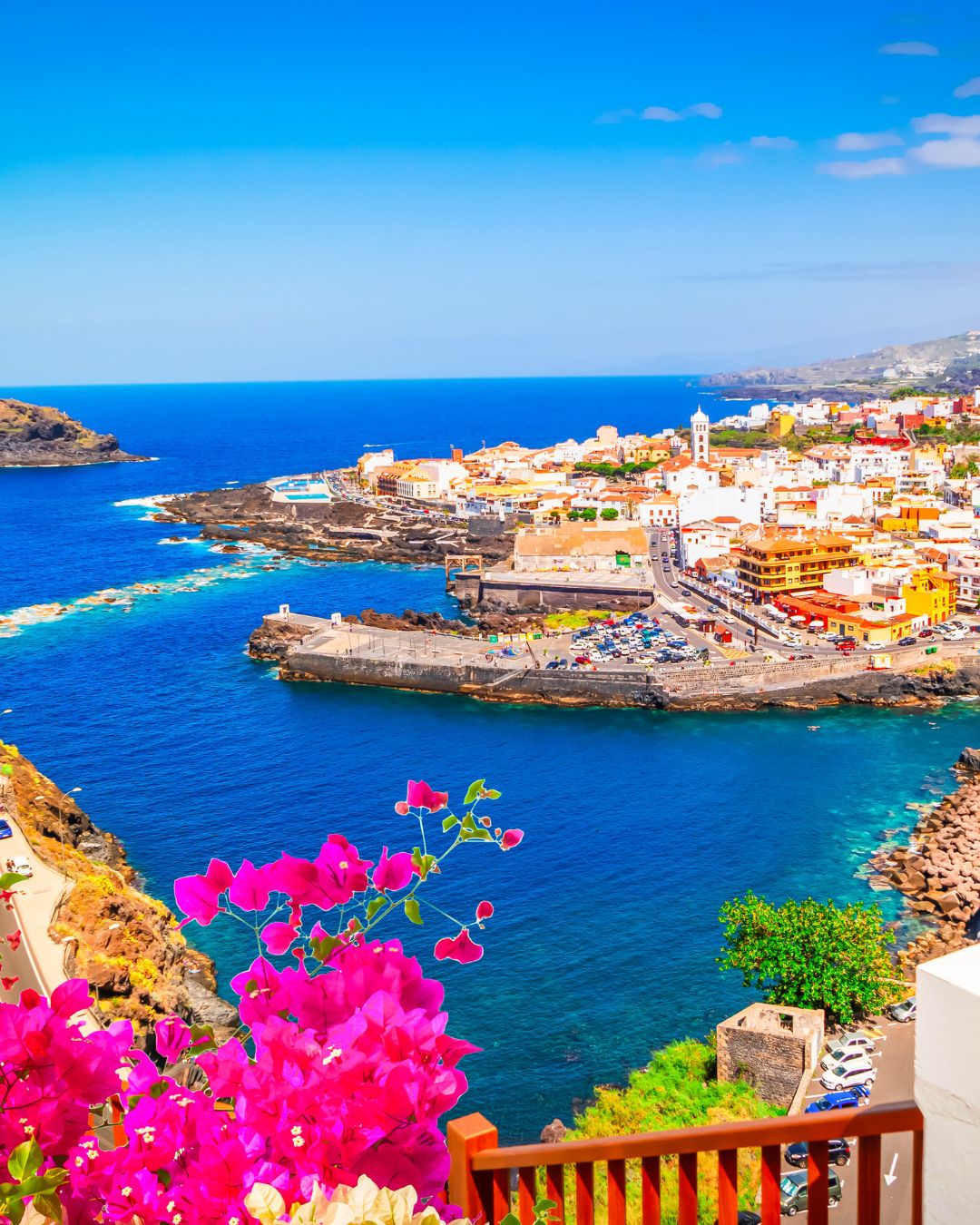
Your Pelagie Islands adventure begins at Lampedusa, the largest island and administrative center of the archipelago, positioned just 113 kilometers from Tunisia and accessible via direct flights from major Italian cities making it a convenient yet exotic charter base. After completing check-in procedures at Porto Vecchio (the old harbor providing more atmospheric berthing than the modern commercial port), provisioning comprehensively from local markets (the remote position means limited resupply options), and receiving thorough safety briefings including weather monitoring procedures for the isolated archipelago, spend time exploring Lampedusa town with its North African-influenced architecture, relaxed atmosphere, and frontier character. The island stretches approximately 12 kilometers long and just 3 kilometers wide with dramatic limestone cliffs on the southern coast contrasting with lower northern shores.
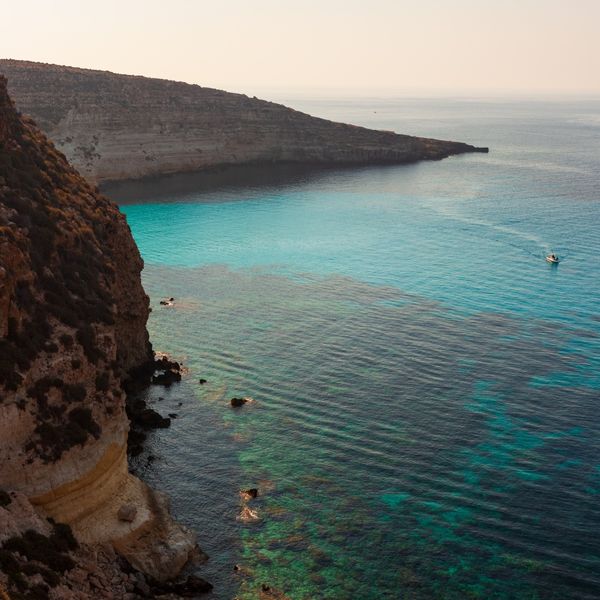
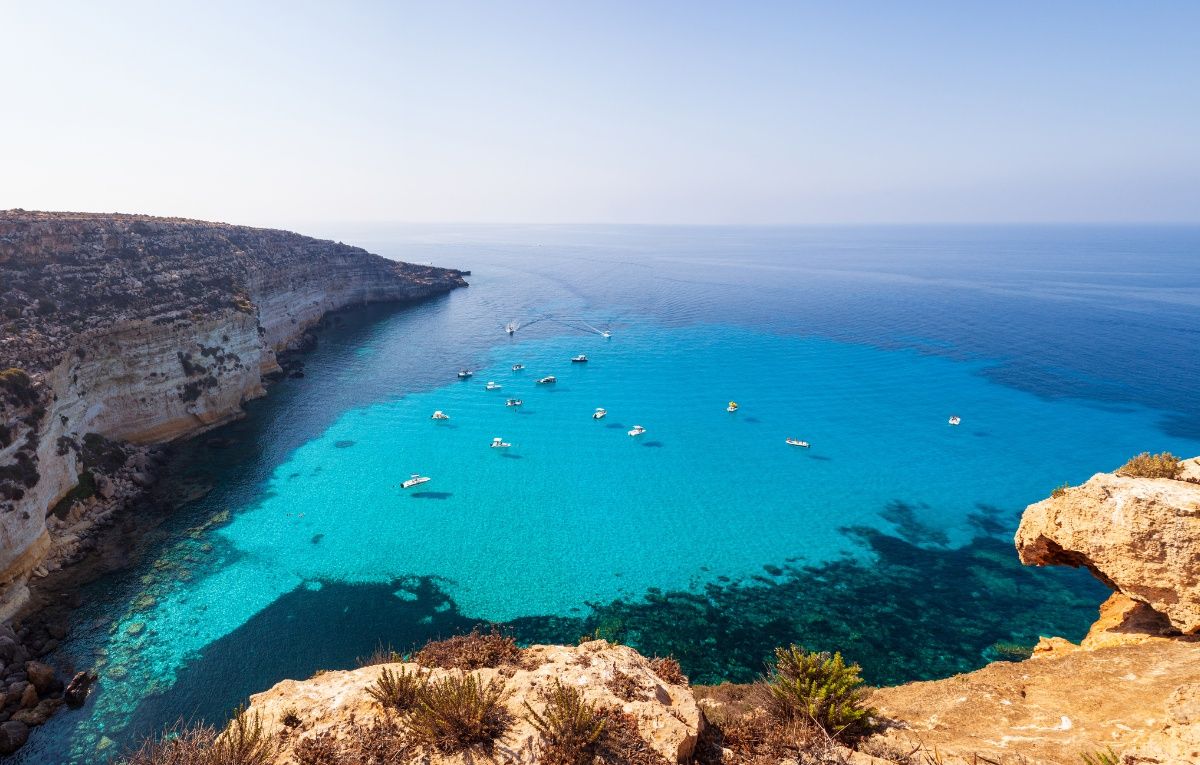
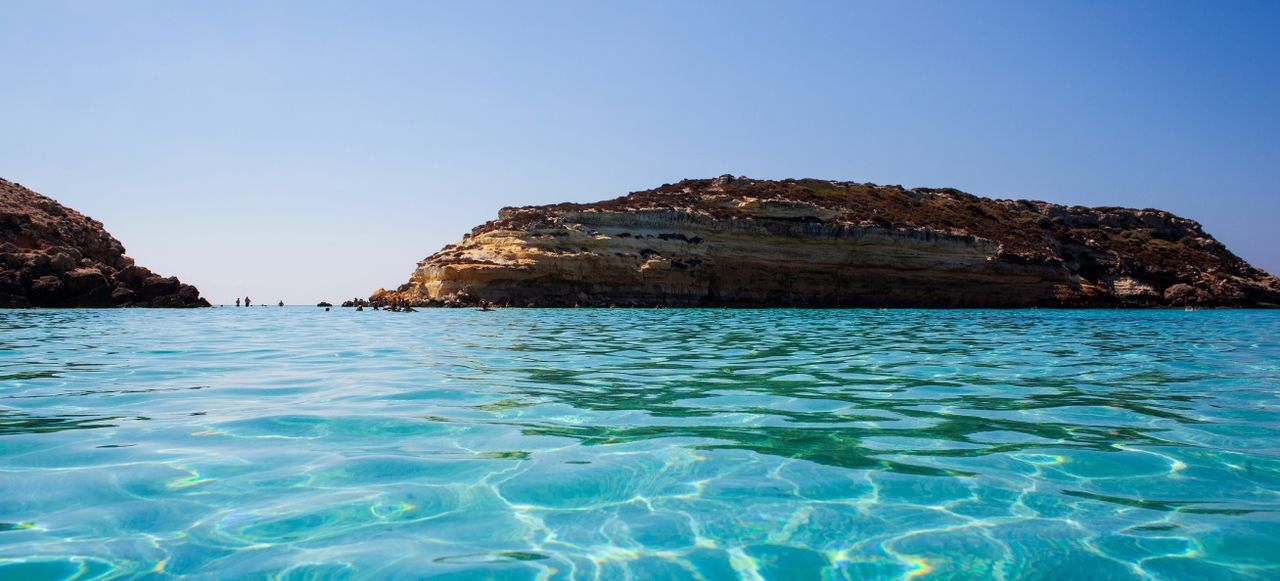
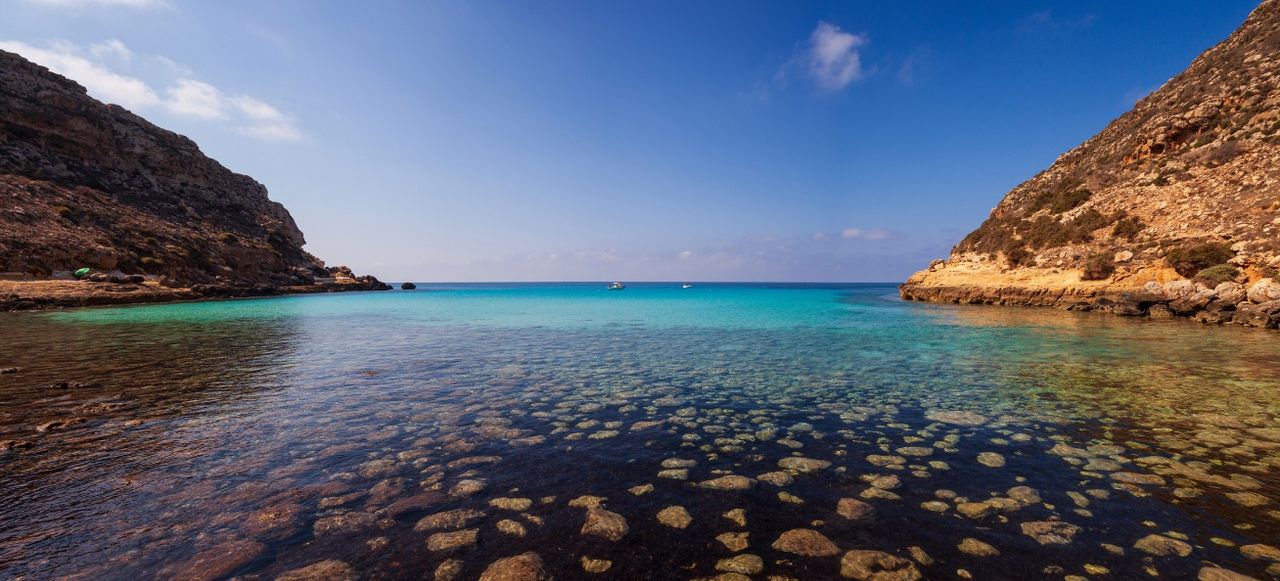
After midday, depart for the short passage along the southern coast to the legendary Spiaggia dei Conigli (Rabbit Beach), consistently ranked among the world's top beaches by international travel organizations including TripAdvisor's repeated #1 placement. Navigate carefully to anchorage near this protected area—the Isola dei Conigli nature reserve offshore and the beach itself maintain strict environmental protections including seasonal access restrictions during sea turtle nesting (typically May-October, though anchoring from boat generally permitted with regulations respected). Anchor with attention to sandy bottom and adequate distance respecting reserve boundaries. Dinghy to the spectacular beach where impossibly crystalline turquoise water with visibility exceeding 40 meters, brilliant white sand, the distinctive Isola dei Conigli nature reserve island just 100 meters offshore, dramatic limestone cliffs providing backdrop, and protected loggerhead sea turtle (Caretta caretta) nesting sites create Mediterranean paradise. The turtles use this beach as one of their most important Mediterranean nesting locations—witnessing tracks in sand or if extraordinarily fortunate, observing nesting or hatchlings creates profoundly moving wildlife encounters (strict non-interference essential). Swimming in the crystalline water between beach and island creates bucket-list Mediterranean moments where exceptional clarity, warm temperatures, and pristine protected character combine perfectly. Evening aboard while watching sunset paint the white cliffs golden and contemplating the extraordinary natural beauty makes this anchorage unforgettable.
Route Highlights - Arriving at remote Lampedusa just 113 km from Tunisia—Sicily's southernmost exotic frontier closer to Africa than mainland Italy.
- Swimming at legendary Spiaggia dei Conigli ranked world's #1 beach with impossibly crystalline turquoise water and white sand.
- Experiencing protected Isola dei Conigli nature reserve with endangered loggerhead sea turtle nesting creating rare wildlife encounters.
Day 2: Spiaggia dei Conigli to Tabaccara Bay
Nautical Miles: 6
Travel Time: 1 hour
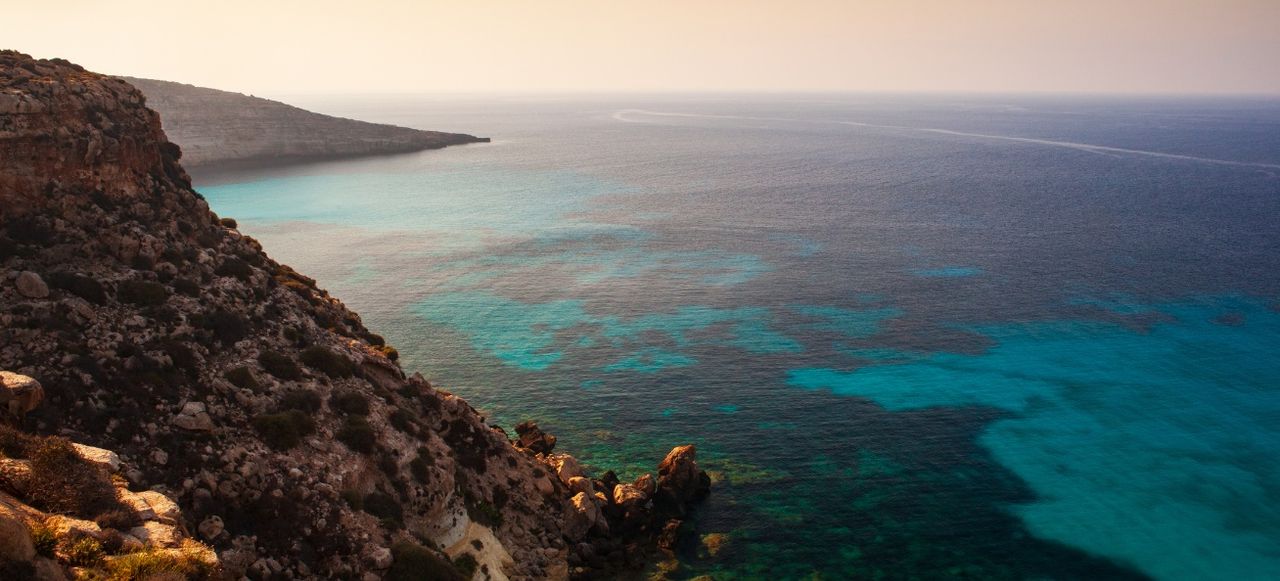
After morning swimming at the spectacular Rabbit Beach with final snorkeling in the crystalline water around Isola dei Conigli, prepare for today's coastal exploration continuing around Lampedusa's dramatic southern cliffs. The passage east reveals the island's most impressive limestone cliff scenery—vertical white and cream-colored cliffs rising 100+ meters directly from the sea, numerous caves and grottos carved by millennia of wave action, hidden coves accessible only by boat, and the kind of dramatic coastal geology that creates spectacular sailing scenery. The water clarity remains exceptional throughout, revealing the white limestone bottom and diverse marine life thriving in protected waters.
Navigate to Tabaccara Bay on the southeastern coast, where this beautiful protected cove offers excellent anchorage with spectacular cliff surroundings. Anchor in 5-12 meters over sand with the dramatic limestone cliffs rising on both sides creating natural amphitheater. The bay provides good swimming, excellent snorkeling with rich marine life including colorful fish, octopus, and diverse Mediterranean species, and the peaceful isolation characteristic of Lampedusa's less-accessible southern coast. The name "Tabaccara" derives from the historic tobacco storage in caves along this coast. Exploration by dinghy reveals numerous grottos including the impressive Grotta del Tabaccara where you can navigate inside the sea cave experiencing magical light effects on the turquoise water. The afternoon offers swimming, snorkeling, cave exploration, paddleboarding, and simply enjoying the pristine protected environment. The total absence of land access means you'll likely have the bay to yourselves—this is Mediterranean wilderness where nature dominates and human presence remains minimal. Evening dining aboard while watching sunset illuminate the white cliffs creates peaceful atmosphere perfect for disconnecting from everyday life and connecting with the natural beauty that defines remote island sailing in the central Mediterranean at Europe's southern frontier.
Route Highlights - Sailing along Lampedusa's dramatic southern coast where vertical 100+ meter limestone cliffs descend to crystalline water.
- Anchoring in beautiful Tabaccara Bay with spectacular cliff amphitheater creating protected pristine swimming cove.
- Exploring impressive Grotta del Tabaccara sea cave by dinghy with magical turquoise light effects and complete wilderness isolation.
Day 3: Tabaccara Bay to Linosa Island
Nautical Miles: 42
Travel Time: 6-7 hours
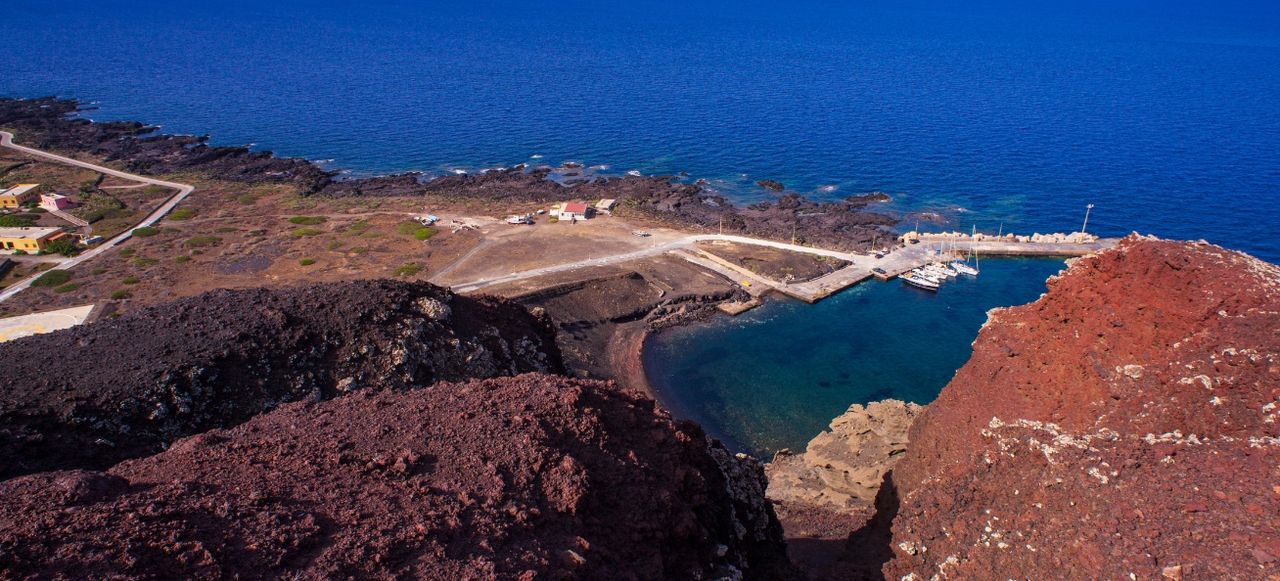
Today represents your journey's most significant passage—the 42-nautical-mile open-water crossing from Lampedusa northwest to volcanic Linosa Island. This passage requires careful weather assessment and planning, ideally scheduling during settled conditions with moderate winds and favorable forecasts. Depart early for comfortable daylight crossing. The route takes you across open Mediterranean where deep blue water, possible encounters with dolphins and occasionally whales (the central Mediterranean creates important cetacean habitat), seabirds including shearwaters, and the palpable sense of remoteness sailing between these isolated islands far from any mainland coast create genuine blue-water cruising experiences. As you approach Linosa, the distinctive volcanic profile emerges—three extinct volcanic cones creating the island's distinctive topography, black lava cliffs contrasting dramatically with the azure Mediterranean, and the tiny colorful harbor village visible on the eastern shore.
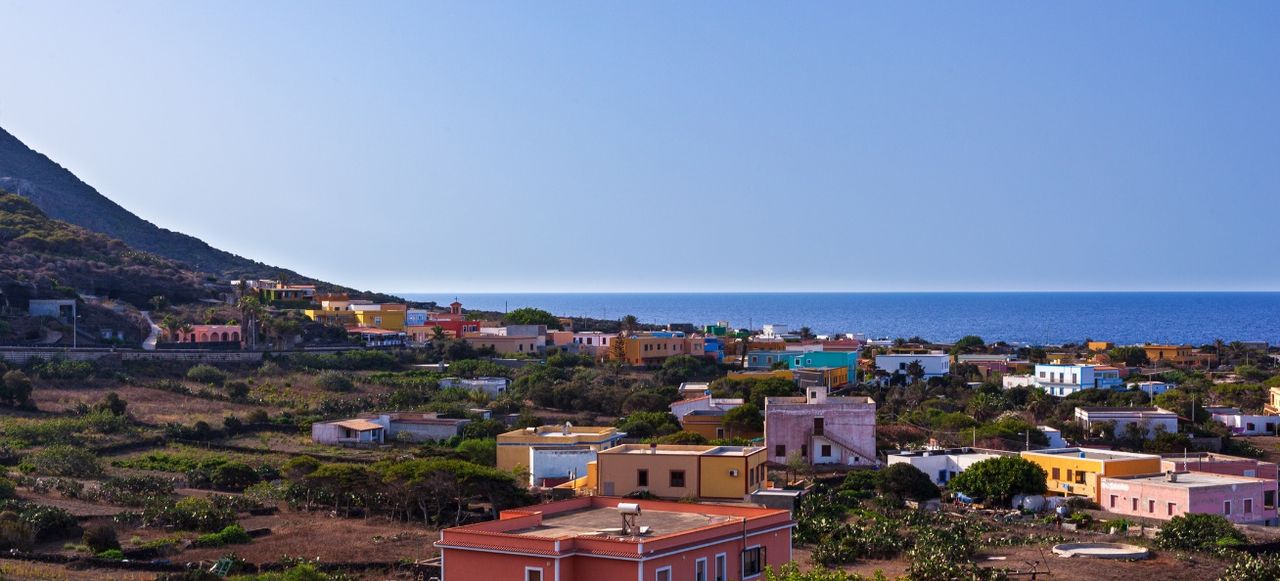
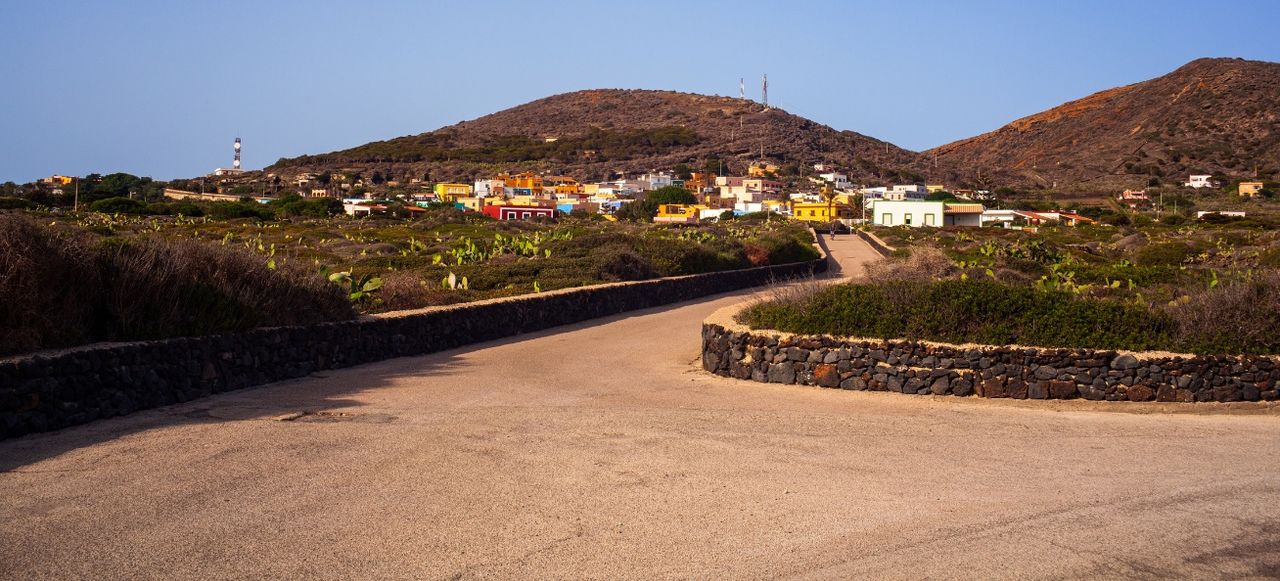
Navigate into Scalo Vecchio, Linosa's small harbor on the eastern coast where the tiny village of just 400 permanent residents clusters around the waterfront. The harbor provides limited berthing—arriving early advantageous, or anchoring in the bay provides alternative with good holding. Linosa represents complete contrast to limestone Lampedusa—this volcanic island formed by submarine eruptions creating the distinctive black lava cliffs, volcanic rock formations, and three extinct craters (Monte Vulcano 195m, Monte Rosso 186m, Monte Nero 107m) dominating the compact 5.4-square-kilometer landscape. The colorful cube houses painted in vibrant blues, greens, pinks, and yellows create striking contrast against the black volcanic rock—this tradition begun to help fishermen identify their homes from sea has become the island's distinctive architectural character. Spend your afternoon exploring the tiny village, walking to viewpoints overlooking the dramatic volcanic coastline, and experiencing authentic isolation—no cars, no mass tourism, just timeless Mediterranean island life where fishing, small-scale agriculture in volcanic soil terraces, and profound peace define daily existence. Evening dining at simple local restaurants features incredibly fresh fish from the day's catch, pasta dishes, and authentic island hospitality. The brilliant night skies without light pollution create spectacular stargazing from your anchored yacht.
Route Highlights - Open-water crossing 42 nautical miles across central Mediterranean with possible dolphin and whale encounters in deep blue water.
- Arriving at dramatic volcanic Linosa where black lava cliffs, extinct craters, and colorful cube houses create exotic character.
- Experiencing authentic isolation on car-free island with just 400 residents maintaining timeless fishing and agricultural traditions.
Day 4: Linosa Island - Circumnavigation & Exploration
Nautical Miles: 8+
Travel Time: 1.5 hours
Today offers complete immersion in Linosa's extraordinary volcanic character through coastal circumnavigation and island exploration. Depart Scalo Vecchio and sail slowly around the compact island (approximately 8 nautical miles perimeter) revealing diverse volcanic landscapes—dramatic black lava cliffs descending vertically into crystal-clear water, sea caves and grottos carved from volcanic rock, the distinctive profiles of the three extinct volcanic cones visible from changing perspectives, collapsed crater walls creating dramatic formations, natural volcanic rock arches, and constantly varying dramatic scenery. The exceptional water clarity exceeding 30-40 meters visibility reveals the black volcanic rock bottom, underwater lava formations, caves, and rich marine biodiversity thriving in the nutrient-rich volcanic waters.
Stop to anchor in one or more of Linosa's pristine coves—Cala Pozzolana di Ponente on the western shore offers the most accessible protected swimming with black volcanic sand beach, Cala Mannarazza features dramatic lava cliff surroundings, while the northern coast provides numerous smaller coves for exploration. Swimming and snorkeling in Linosa's volcanic waters reveals fascinating underwater topography with lava formations, volcanic rock pinnacles, caves, exceptional visibility, and diverse fish populations including species adapted to volcanic environments. Return to shore in afternoon for hiking one of the volcanic cones—Monte Rosso provides the most accessible ascent with trails leading to the crater rim where spectacular 360-degree panoramas reveal the entire island, surrounding Mediterranean, distant Lampedusa on clear days, and the complete volcanic topography creating profound geological appreciation. The island's volcanic soil supports distinctive vegetation including prickly pears, capers growing wild on lava rocks, and endemic plant species. Agricultural terraces demonstrate generations of patient cultivation in harsh volcanic conditions. Evening back at Scalo Vecchio harbor offers more authentic dining, conversation with hospitable locals, and peaceful atmosphere as the tiny village settles into timeless island rhythms where connections to sea and land remain fundamental to life continuing much as it has for generations.
Route Highlights - Circumnavigating Linosa revealing dramatic black lava cliffs, sea caves, and three extinct volcanic cone profiles from changing perspectives.
- Swimming and snorkeling in pristine volcanic coves with 30-40 meter visibility revealing underwater lava formations and caves.
- Hiking Monte Rosso crater rim with 360-degree panoramas across the volcanic island and surrounding Mediterranean seascape.
Day 5: Linosa Island to Lampedusa (Cala Pozzolana di Ponente)
Nautical Miles: 42
Travel Time: 6-7 hours
Today's passage returns you southeast across the 42-nautical-mile open Mediterranean to Lampedusa. As with the outbound crossing, this requires settled weather conditions and careful planning. Depart Linosa early for comfortable daylight passage. The return crossing provides different perspectives—looking back at Linosa's distinctive volcanic profile receding behind, sailing across the deep blue central Mediterranean with its marine life possibilities, and gradually seeing Lampedusa's limestone cliffs emerge ahead creating anticipation for returning to the larger island after Linosa's complete isolation. The open-water passages between these remote islands create the kind of genuine blue-water sailing experiences increasingly rare in the Mediterranean, with hours of horizon-to-horizon seascape, self-sufficiency requirements, and the profound satisfaction of successful navigation across isolated waters.
Arrive at Lampedusa in late afternoon and navigate to Cala Pozzolana di Ponente or alternative anchorage on the island's western or northern coast—these areas provide more protected waters compared to the dramatic but exposed southern cliffs, with better holding and easier access to the main town if reprovisioning needed. Cala Pozzolana di Ponente on the northwestern coast offers good anchorage over sand with reasonable protection from prevailing winds, proximity to town facilities within dinghy or walking distance, and pleasant swimming in clear water. After the crossing's concentrated navigation and the intense volcanic isolation of Linosa, returning to Lampedusa's larger scale (though still tiny by mainland standards with population around 6,000) provides welcome amenities while maintaining remote island character. Spend your evening swimming in the calm western waters, perhaps making provisioning runs to town, dining at waterfront restaurants serving fresh tuna, swordfish, and North African-influenced couscous dishes, and preparing for your final days exploring more of Lampedusa's spectacular coastline that you experienced on Day 1-2 from different perspectives as you complete the circular island route.
Route Highlights - Return crossing 42 nautical miles across open Mediterranean from volcanic Linosa back to limestone Lampedusa.
- Arriving at Cala Pozzolana di Ponente on northwestern coast with protected waters and town proximity for reprovisioning.
- Evening swimming in calm waters and dining on fresh tuna and North African-influenced couscous reflecting island's cultural fusion.
Day 6: Cala Pozzolana di Ponente to Cala Pulcino
Nautical Miles: 8
Travel Time: 1.5 hours
Your penultimate day offers continued exploration of Lampedusa's diverse coastline. Depart Cala Pozzolana di Ponente and sail along the northern coast where the landscape contrasts with the dramatic southern limestone cliffs—lower rocky shores, numerous coves and small beaches, clearer views inland toward the island's interior agricultural areas with olive trees and prickly pear cacti, and more accessible swimming spots creating different character. The northern waters typically offer calmer conditions ideal for leisurely coastal cruising, swimming, and snorkeling. The route passes various attractive anchorages including Cala Madonna, Cala Galera, and others where you can stop for swimming breaks exploring different coves.
Navigate to Cala Pulcino on the northeastern coast, a beautiful protected cove offering excellent anchorage with good holding over sand, reasonable protection from prevailing weather, spectacular water clarity, and peaceful atmosphere. The surrounding rocky headlands create natural amphitheater while maintaining openness to sea breezes. Spend your afternoon swimming in the crystalline water, snorkeling the rocky shorelines where diverse marine life thrives in clear conditions, paddleboarding around the cove, and simply enjoying the pristine Mediterranean environment. The northeastern position provides good views toward the open Mediterranean reminding you of the remoteness that defines the Pelagie Islands—no other land visible in any direction, just endless seascape emphasizing the isolation that makes these islands special. Optional dinghy exploration along the coast reveals additional coves, grottos, and the kind of undeveloped shoreline increasingly rare in the Mediterranean. Evening offers your final night in this remote archipelago—dine aboard while watching spectacular sunset paint the rocky coastline and distant horizon in golden light, reflect on the extraordinary week exploring Sicily's most exotic frontier, and contemplate the privilege of experiencing these remote islands where nature dominates, isolation preserves authenticity, and the Mediterranean reveals its most pristine character at Europe's southern boundary closest to Africa.
Route Highlights - Sailing Lampedusa's northern coast with lower rocky shores, numerous swimming coves, and calmer protected waters.
- Anchoring in beautiful Cala Pulcino with spectacular water clarity and peaceful northeastern coast atmosphere.
- Final night in remote Pelagie archipelago with spectacular sunset and reflection on extraordinary isolated island experiences.
Day 7: Cala Pulcino to Lampedusa (Porto Vecchio)
Nautical Miles: 6
Travel Time: 1 hour
Your final morning in Cala Pulcino offers last swimming in the pristine northeastern waters before the short return passage to Lampedusa harbor. The brief coastal cruise back to Porto Vecchio provides final appreciation of the island's diverse character—rocky coves, limestone formations, agricultural terraces visible inland, the town emerging with its North African-influenced architecture and frontier atmosphere, and the sense of returning to "civilization" after a week exploring remote island wilderness. The proximity allows leisurely departure with extended morning enjoying your final anchorage before beginning the return passage.
Navigate into Porto Vecchio at Lampedusa town where returning to your starting point completes the Pelagie Islands circuit. As you secure to your berth and complete check-out procedures, carry with you unforgettable memories of Sicily's most remote and exotic archipelago—swimming at the legendary Spiaggia dei Conigli consistently ranked among the world's most beautiful beaches with impossibly crystalline turquoise water and protected loggerhead turtle nesting creating Mediterranean magic, exploring dramatic limestone cliffs and pristine grottos along Lampedusa's spectacular southern coast, successfully navigating 42-nautical-mile open-water crossings to and from volcanic Linosa across the central Mediterranean with possible cetacean encounters, discovering Linosa's extraordinary volcanic character with black lava cliffs, extinct craters, colorful cube houses, and authentic isolation maintained by just 400 residents, hiking volcanic cones with panoramic views, snorkeling volcanic waters with exceptional visibility exceeding 30-40 meters, and experiencing Sicily's most frontier character positioned just 113 kilometers from Africa where Arab-Mediterranean cultural fusion, pristine protected marine environments, complete isolation from mainland influences, and the feeling of sailing at Europe's southern boundary create adventures unlike any other Italian waters. This classic seven-day Pelagie circuit has revealed Mediterranean sailing at its most exotic and remote—world-class beaches rivaling Caribbean paradises, dramatic volcanic and limestone geology, extraordinary marine biodiversity protected by isolation, authentic island cultures maintaining timeless traditions, successful blue-water passages across open seas, and above all, the profound sense of discovery and adventure that comes from exploring remote archipelagos far from mainland coasts where nature dominates and the Mediterranean reveals its most pristine and unspoiled character. Arrivederci from Lampedusa, Sicily's exotic southern frontier, until your next adventure among the extraordinary Pelagie Islands where limestone and volcanic landscapes, crystalline waters, endangered sea turtles, and authentic isolation create unforgettable remote island cruising at the crossroads between Europe and Africa.
Route Highlights - Final morning swimming in pristine Cala Pulcino before the short return passage to Lampedusa harbor completing the circuit.
- Returning to Porto Vecchio with memories of world-famous Rabbit Beach, volcanic Linosa, and extraordinary remote island isolation.
- Completing Sicily's most exotic adventure at Europe's southern frontier just 113 km from Africa creating unique character.